Read this if you are at a financial institution.
It’s hard to believe that for January 1 CECL adopters, we’re already more than halfway through the first year of CECL implementation. It seems like we were talking about CECL adoption for years (because we were) and now it is full steam ahead. With two quarters of call report data available since adoption, we thought it might be helpful to share a brief recap on CECL adoption and the behavior of the allowance since. Before we dive into the analysis, there are a few items to note about the information being presented:
- This analysis was compiled using call report data through June 30, 2023.
- It includes the data of 165 institutions of varying sizes from Connecticut, Massachusetts, Maine, New Hampshire, New York, Rhode Island, and Vermont.
- It includes institutions with less than $10 billion in assets as of June 30, 2023.
- In theory, it includes those institutions that have adopted CECL since December 31, 2022. Those institutions that did not have an adjustment in call report cell “RIADC233” through June 30, 2023, are not included.
- Following this analysis are graph books by state, with graphs broken down by asset size within each state.
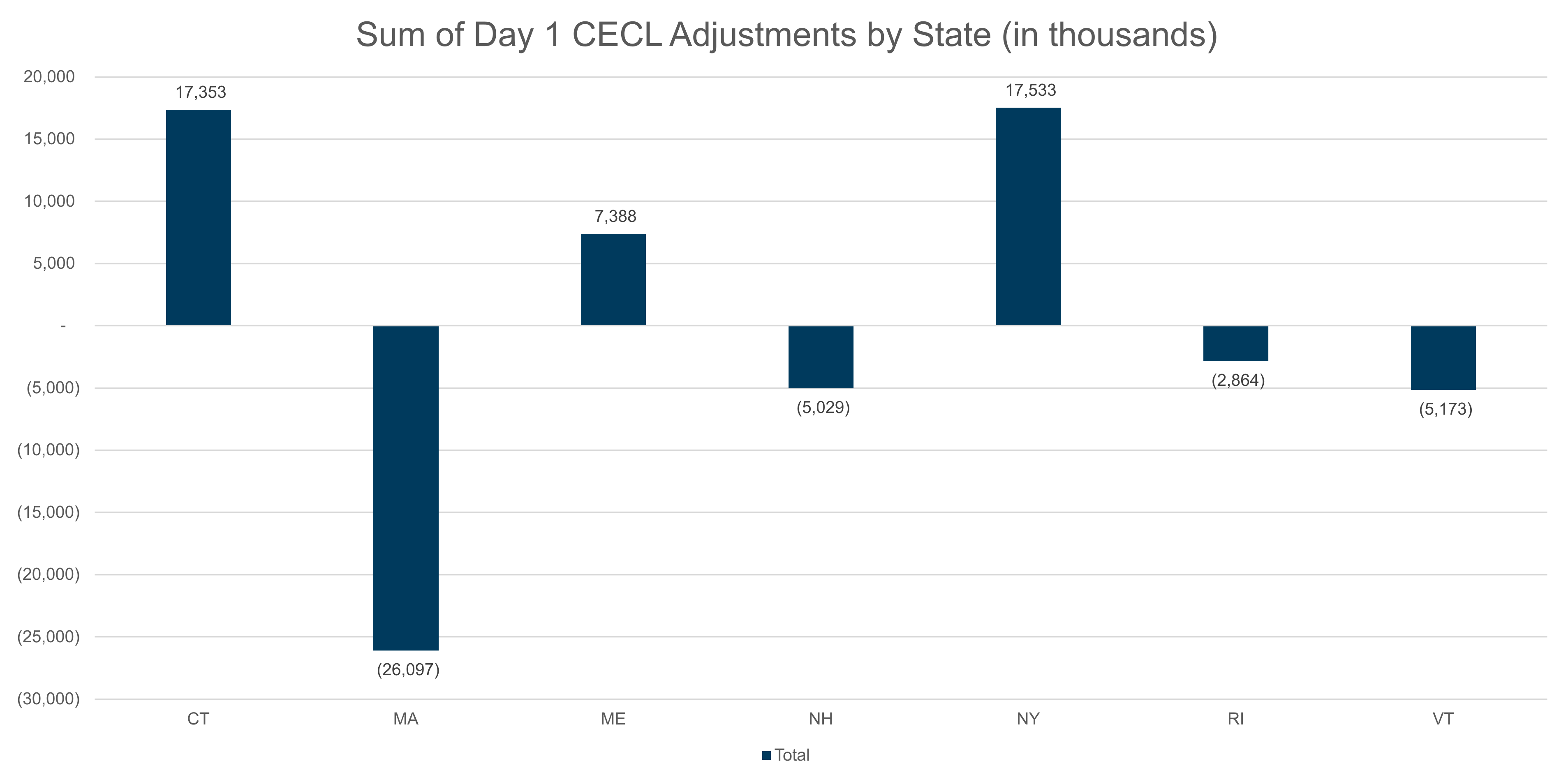
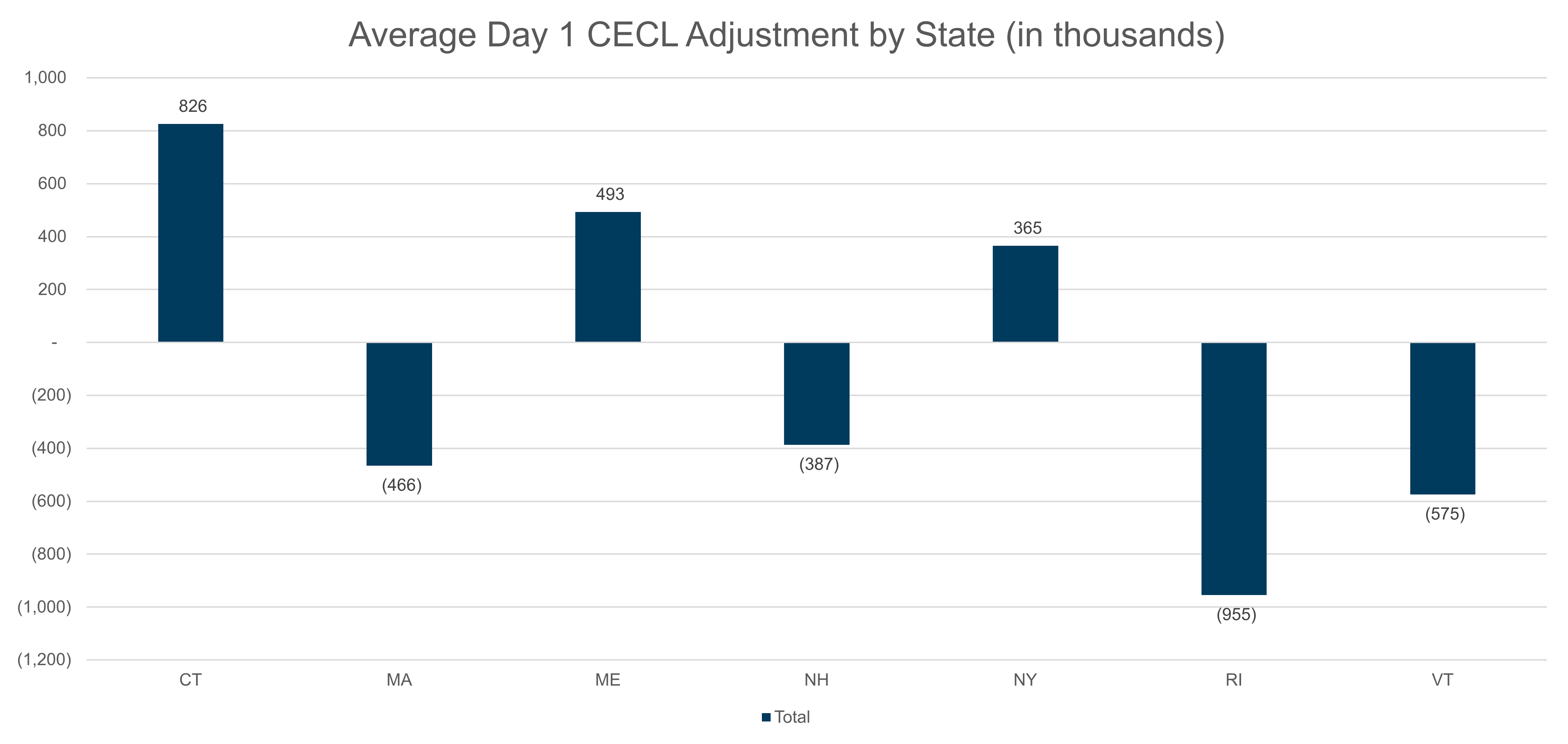
CECL day one adjustments varied immensely by state, with the lowest average adjustment occurring in Rhode Island ($955,000) and the largest average adjustment occurring in Connecticut ($826,000). It should be noted this adjustment is only the adjustment to the allowance for credit losses (ACL) on loans. It does not include adjustments to off-balance sheet (OBS) credit exposure allowances which, as we will see in later graphs, has become a much more significant component of balance sheets under the current expected credit loss model. The largest positive day one adjustment was $21,229,000, which was five basis points (bps) of this institution’s June 30 loan balance and 47% of its December 31 allowance. The largest negative day one adjustment was $9,725,000, which was three bps of this institution’s June 30 loan balance and 38% of its December 31 allowance balance.
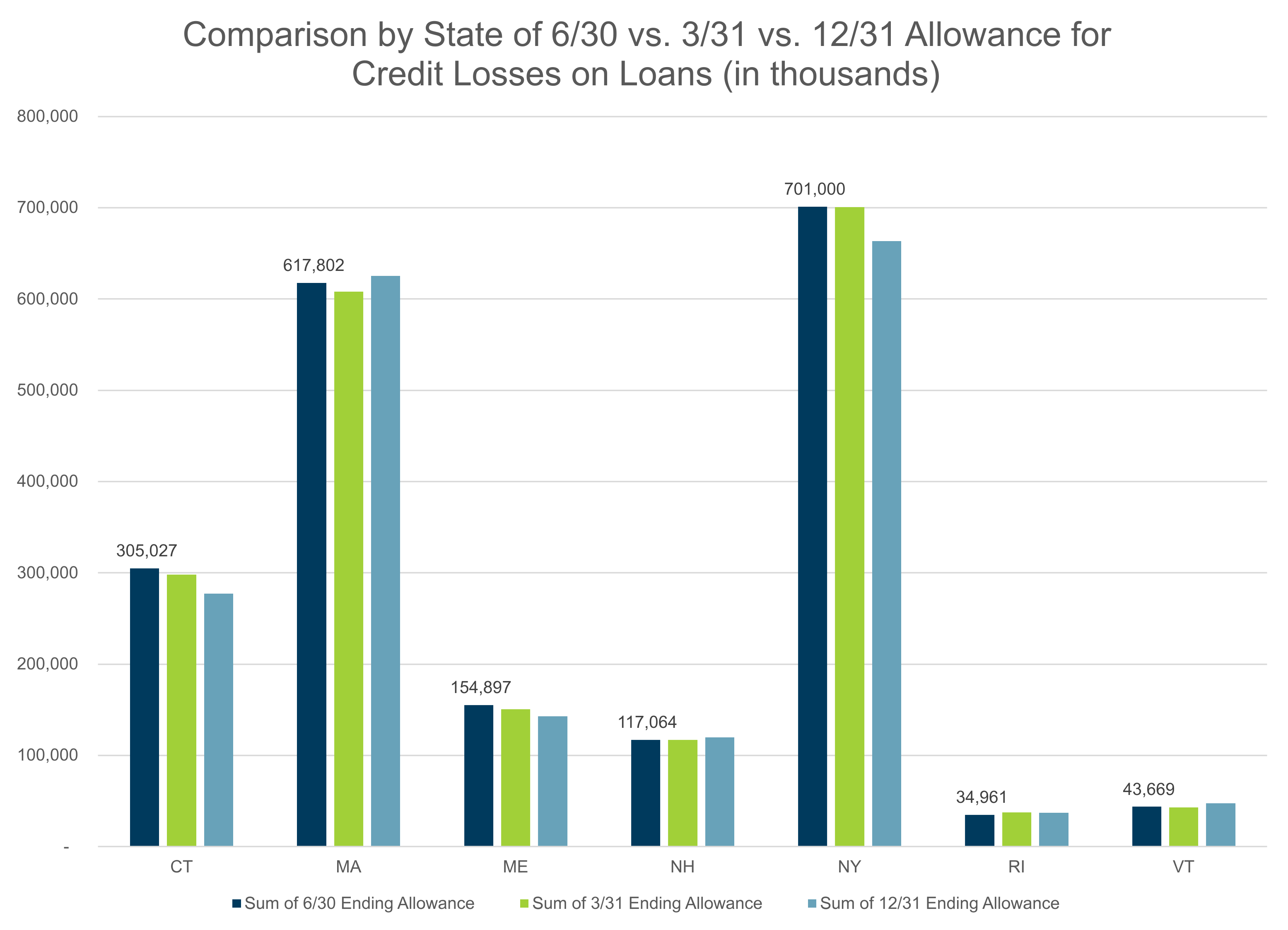
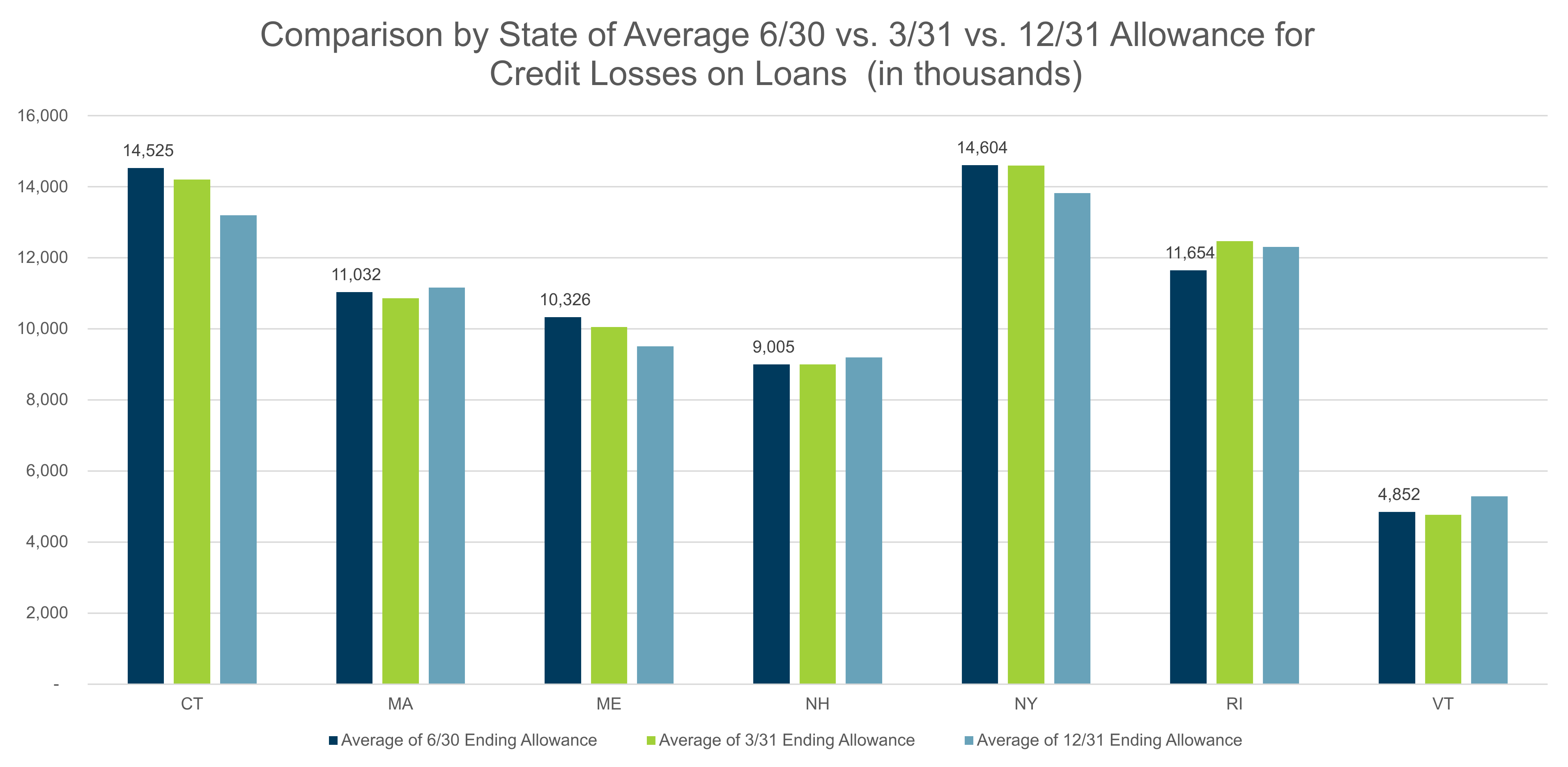
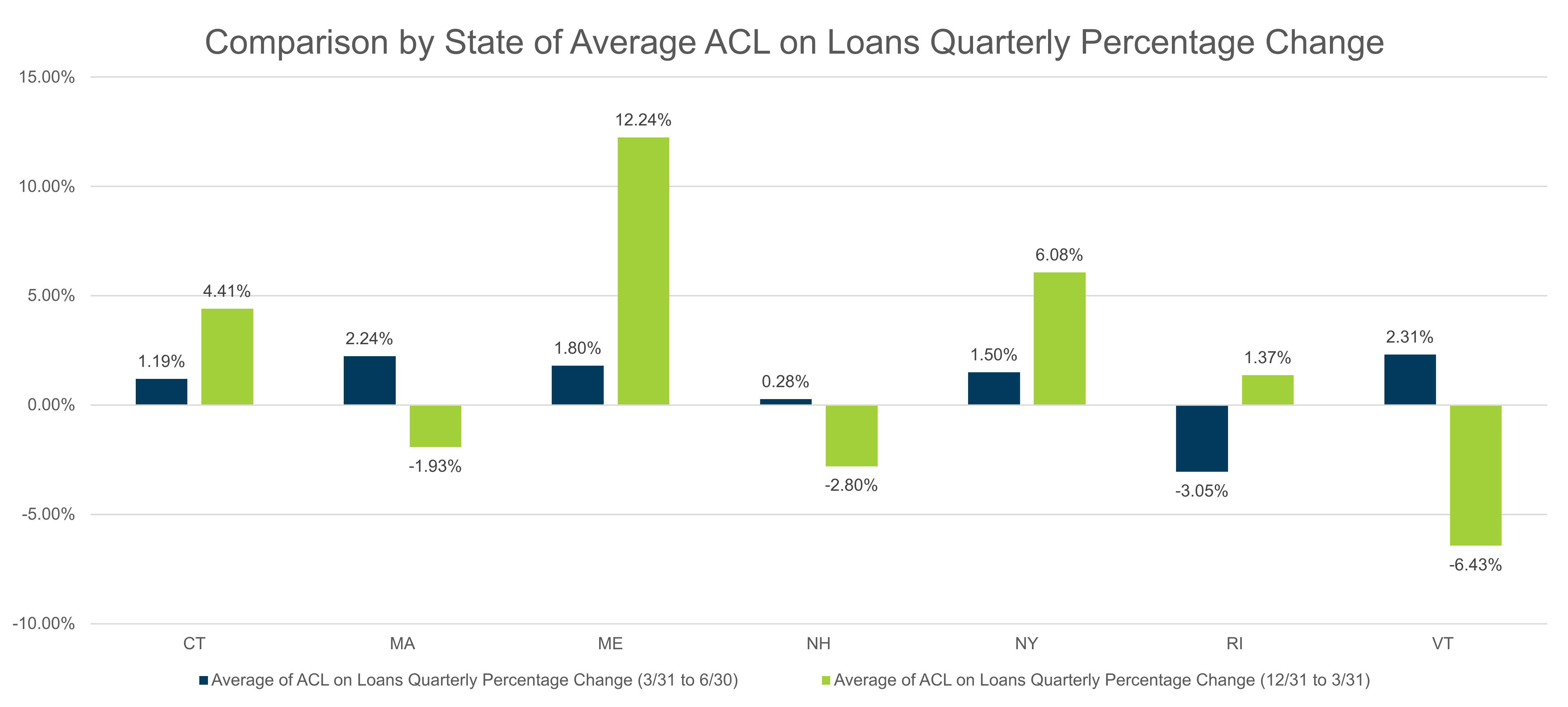
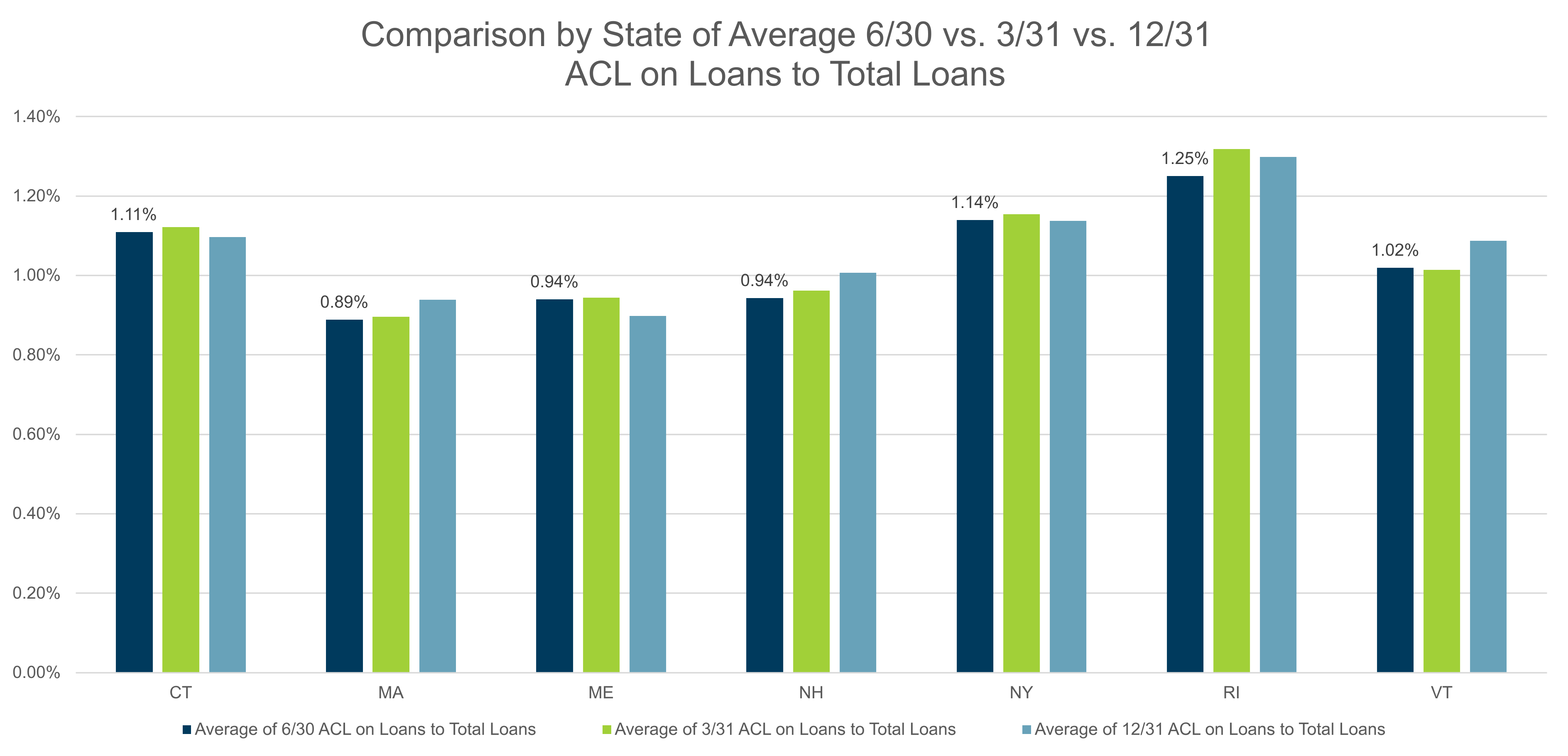
Since December 31, 2022, there has also been significant variation in the ACL on loans from quarter-to-quarter by state. The overall trends by state are basically a mixed bag, with the average ACL on loans having steadily increased in Connecticut, Maine, and New York. All other states have shown some variation of increases and decreases quarter-over-quarter. That being said, as shown below, there has not been tremendous variation in the ACL on loans to total loans quarter-over-quarter, implying that some of these fluctuations seen in the ACL on loans are likely due to fluctuations in loan balances.
.svg)
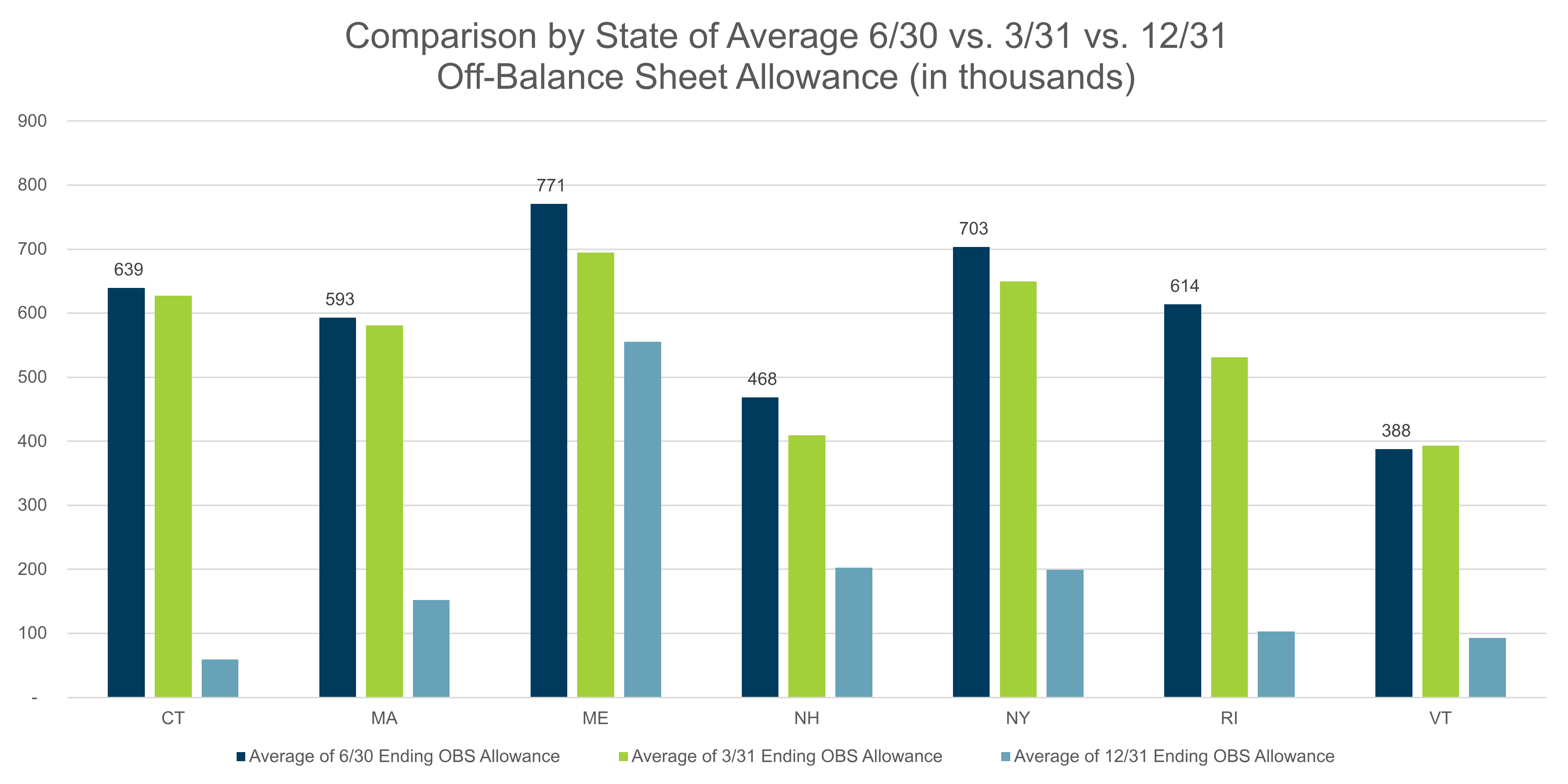
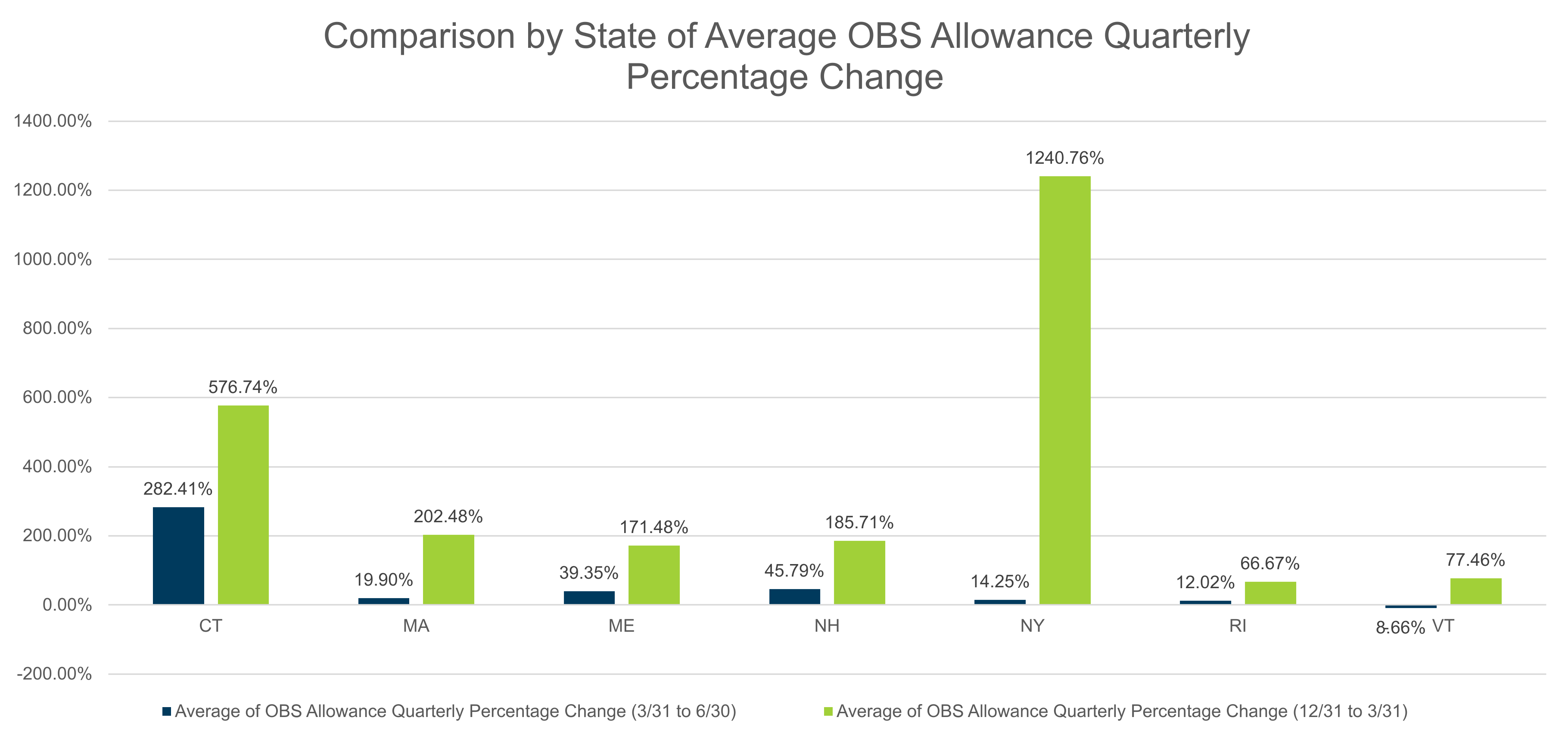
As mentioned earlier, the allowance on OBS credit exposures has become a much more significant component of the overall allowance since CECL adoption. Every state saw significant increases in the allowance on OBS credit exposures since December 31, 2022. As of June 30, 2023, the largest average allowance on OBS credit exposures was in Maine, with an average of $771,000. This is an increase since December 31, 2022, of 39%. The smallest average allowance on OBS credit exposures was in Vermont, at $388,000. However, this represented a 317% increase since December 31, 2022. Percentagewise, the largest increase since December 31, 2022, was seen in Connecticut, which saw an increase in the allowance on OBS credit exposures of 983%. The smallest increase was seen in Maine, as noted above.
Since CECL applies to all financial instruments held at amortized cost, it also applies to held-to-maturity (HTM) securities. Although CECL does not apply to available-for-sale (AFS) securities, since they are carried at fair value, the CECL standard does allow institutions to develop an allowance for individual AFS securities. However, as noted in the graphs below, which show average allowances on HTM and AFS securities since December 31, 2022, these components of CECL have not yet shown to be of significance. The most significant impact was in New York, which had an average allowance on AFS securities of $130,000, which has since decreased to $28,000 as of June 30, 2023.
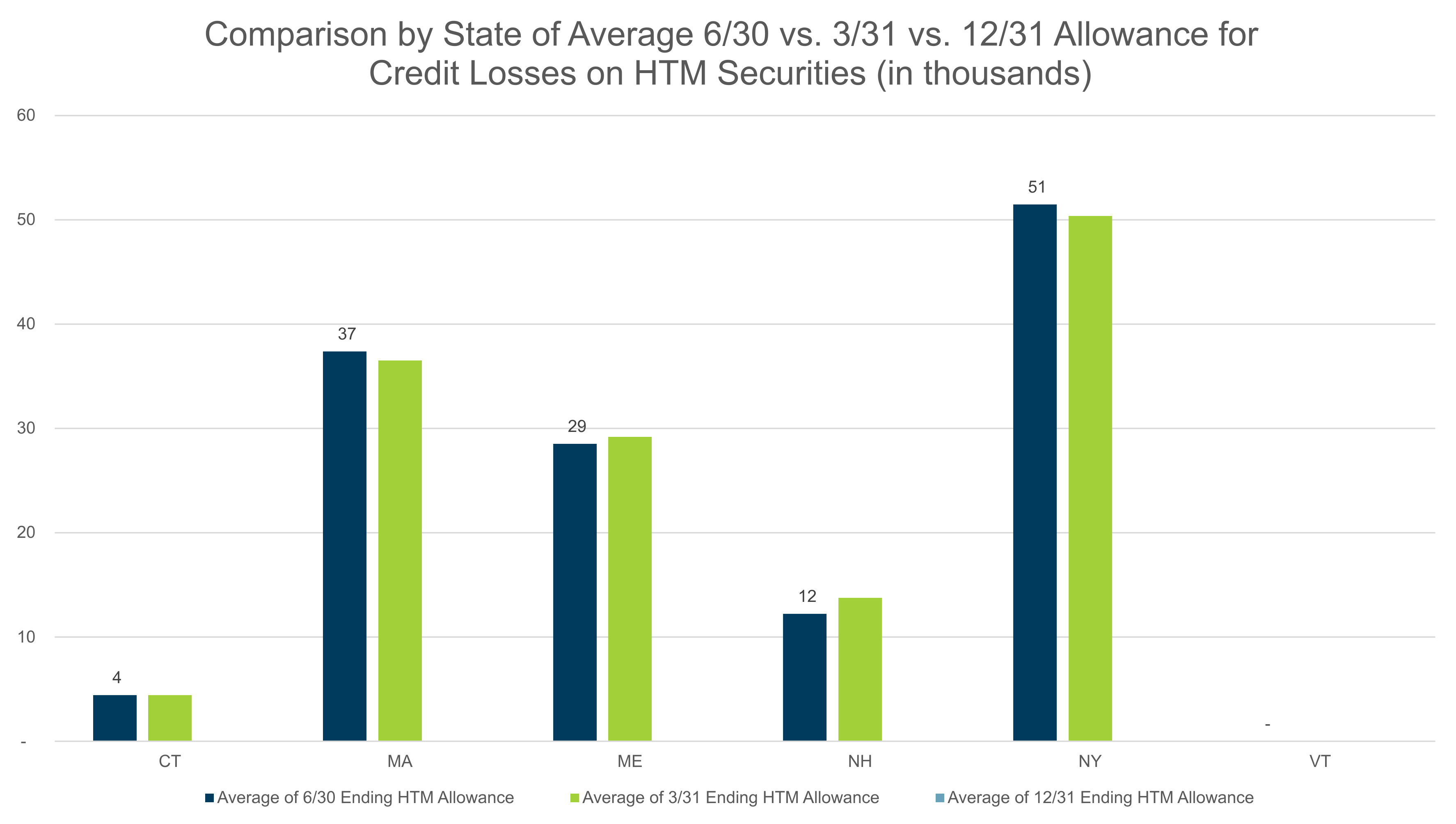
As can be seen through June 30, 2023, data, CECL results, and thus CECL methodologies and approaches, vary widely. There is no “right” answer when implementing CECL, making it that much more important to have a methodical approach in developing your institution’s allowance.
Oversight and governance also become increasingly important to help ensure your institution’s designed approach is being followed consistently. Model validations will also play an important role in helping ensure that what has been documented is what is actually occurring in practice. For additional information, please see below for our graph books by state, which provide graphs broken down by asset size within each state. And, as always, if there are any questions, please don’t hesitate to reach out to the BerryDunn Financial Services team or use our Ask the Advisor feature.
Resource: Graph books by state
To see how your institution compares to similar institutions, please download our collection of allowance analyses for select states.
We’ve prepared an analysis of the allowance behavior since adoption. This analysis was compiled using Call Report data through June 30, 2023, and includes the data of 165 institutions varying in size from Connecticut, Maine, Massachusetts, New Hampshire, New York, Rhode Island, and Vermont.
Download now.